


Investing in and expanding a modern sports infrastructure system does more than serve FPT University’s own students. The university also offers free access to all facilities with the surrounding community, turning its campuses into a shared space for training and connection between students and local residents, and spreading a spirit of healthy, sustainable living.
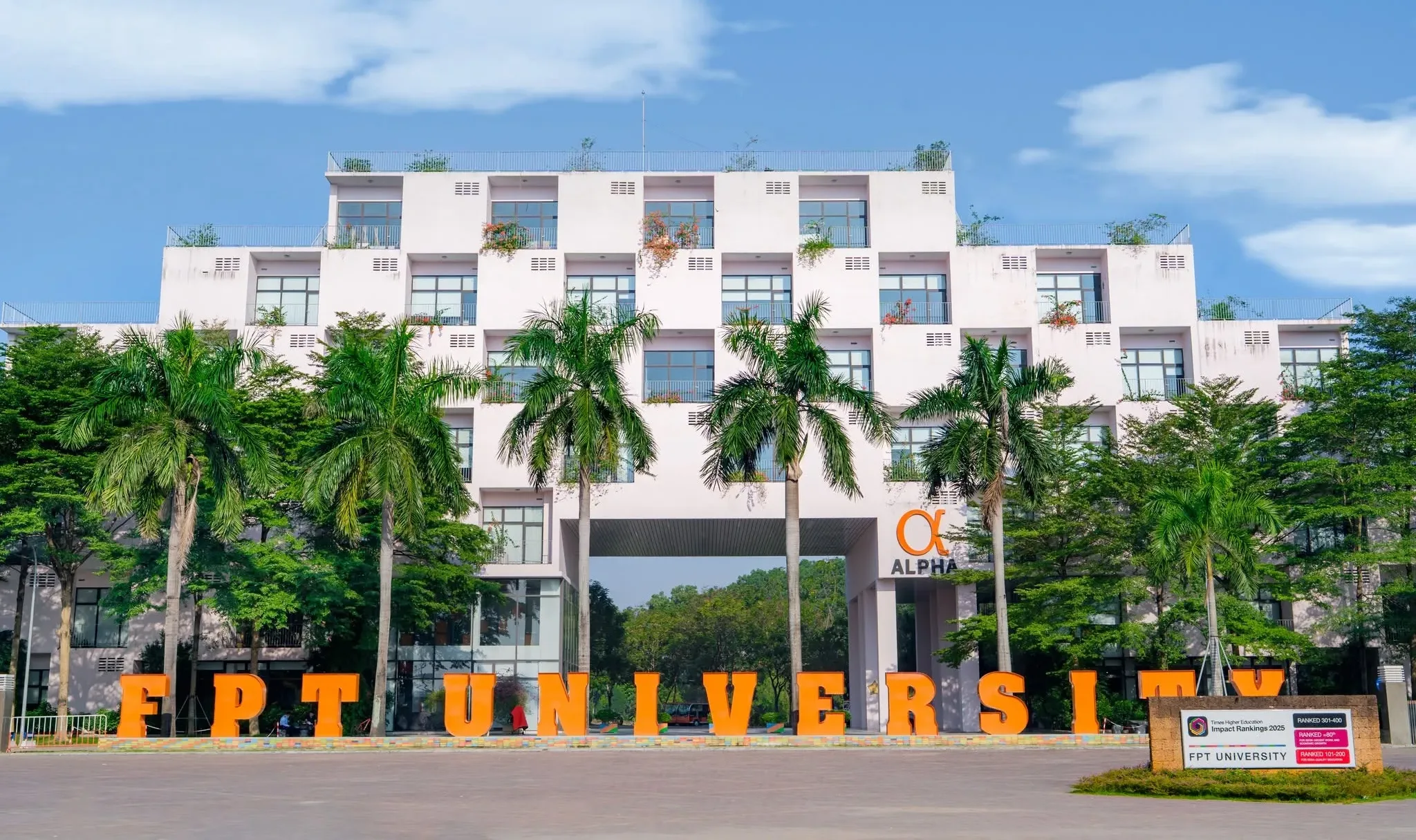
FPT University is known not only as a modern learning environment but also as a healthy-living campus where sport and physical training are woven into student life. Its sports facilities, spread across all five campuses in Ha Noi, Ho Chi Minh City, Da Nang, Can Tho, and Quy Nhon, function as what the university calls the “healthy heart” of each site.
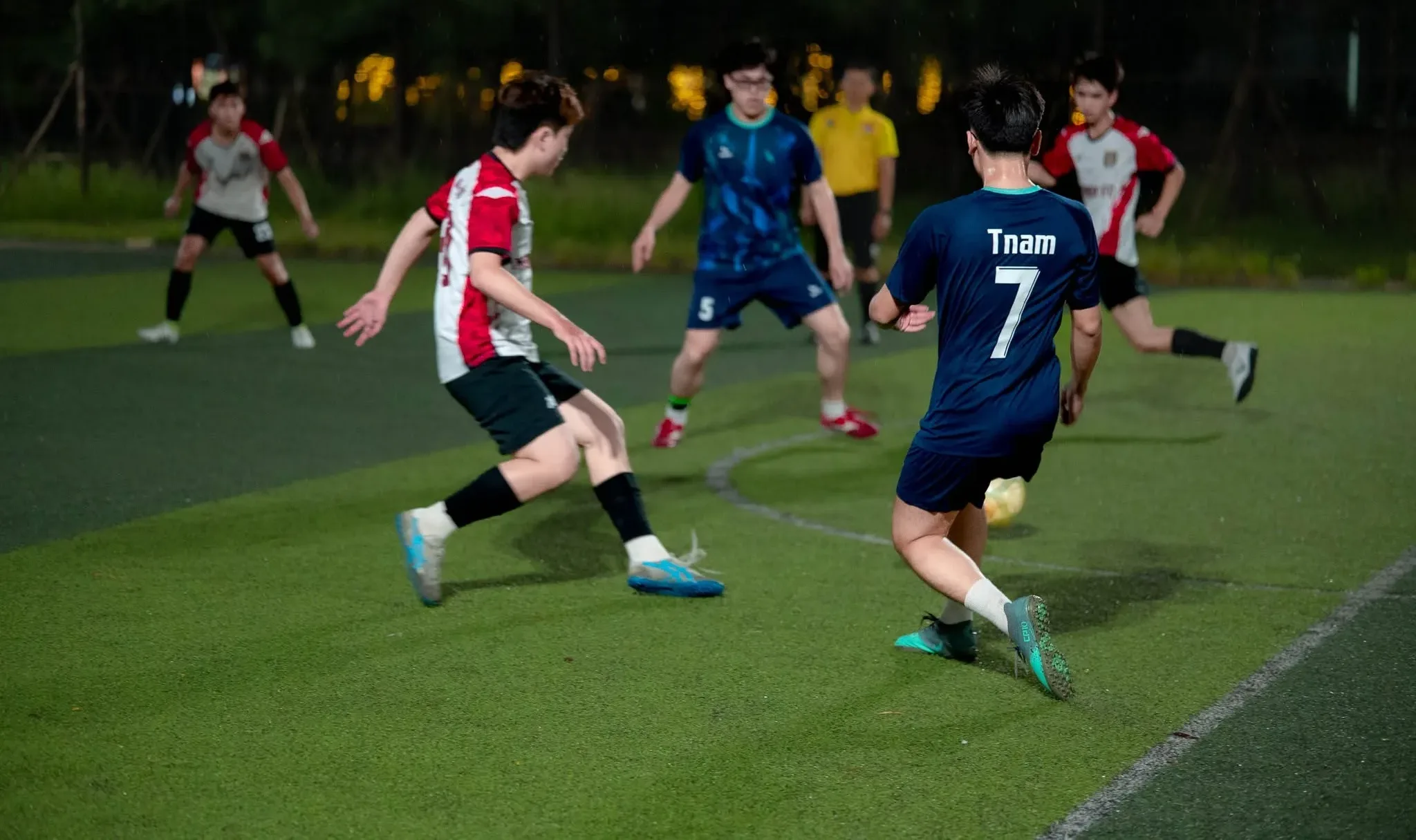
The standardized football pitch at FPTU is accessible daily for everyone to practice.
The campus has a 1,500-square-metre artificial-turf football pitch built to technical standard, complete with floodlights, protective netting, a rest area, and parking, alongside basketball, volleyball and badminton courts and a multi-purpose sports zone. Leveraging these existing facilities, the campus regularly hosts large-scale training sessions, friendly competitions, and inter-collegiate tournaments in collaboration with regional universities to promote the physical and mental well-being of students and local community.
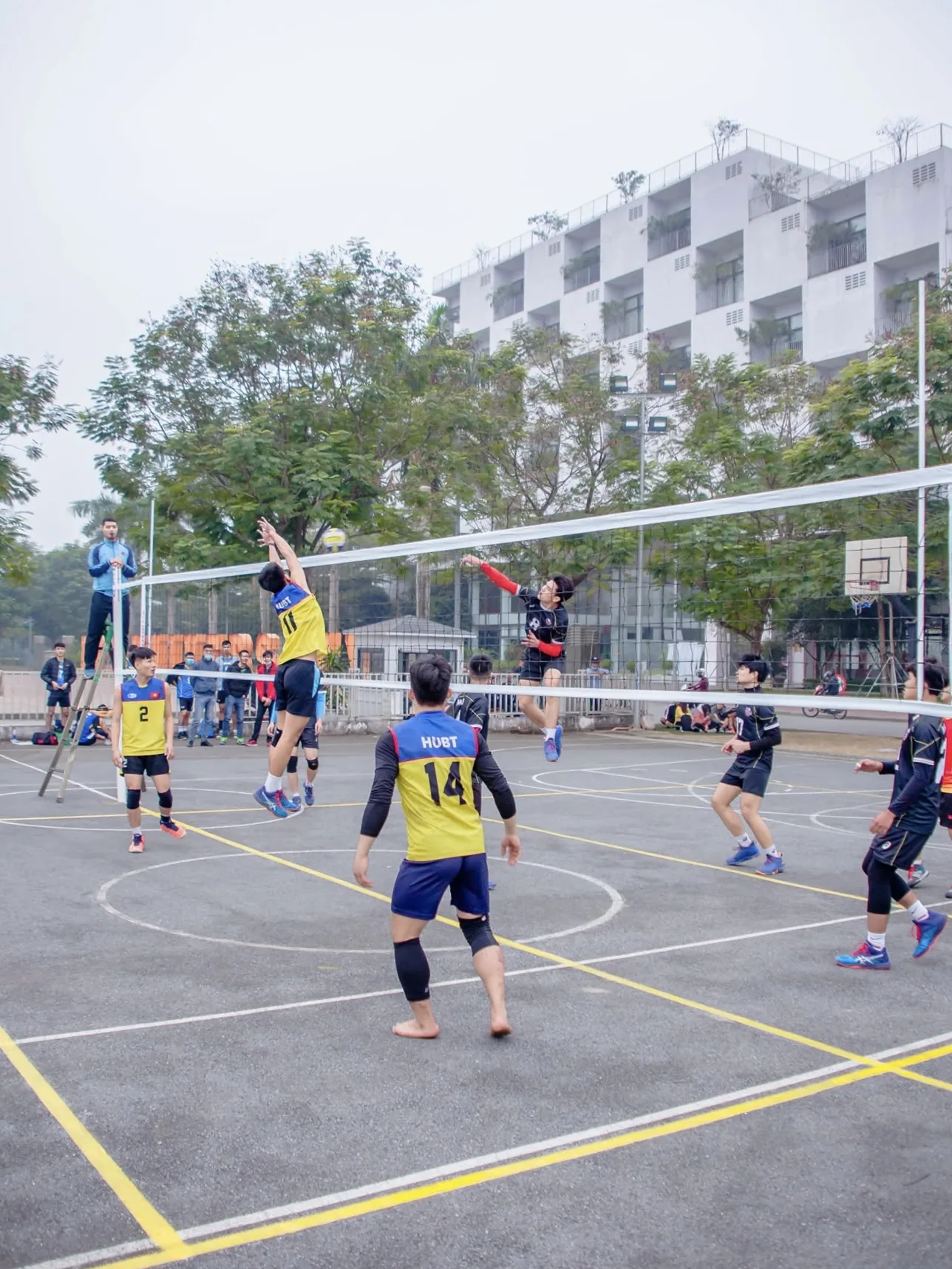
Sports facilities at FPTU serve as venues for tournaments involving students from regional universities.
The Vovinam martial arts hall – one of the cultural symbols of the university – is where students build physical strength, a martial spirit, and resilience. A modern gym, and a jogging track sit alongside more unconventional spaces such as a Chinese chess (Xiangqi) room, offering students a balance between physical and mental wellbeing.

Practicing sports and martial art have become a part of student culture at FPTU.
At FPTU, sport is not treated as a mere extracurricular activity – it has become part of student culture. Clubs and disciplines such as football, basketball, badminton, gym training, running, Vovinam, chess, and xiangqi draw large numbers of participants, and every match doubles as practice in teamwork, leadership, and adaptability – qualities the university considers essential for its students as they grow into global citizens.
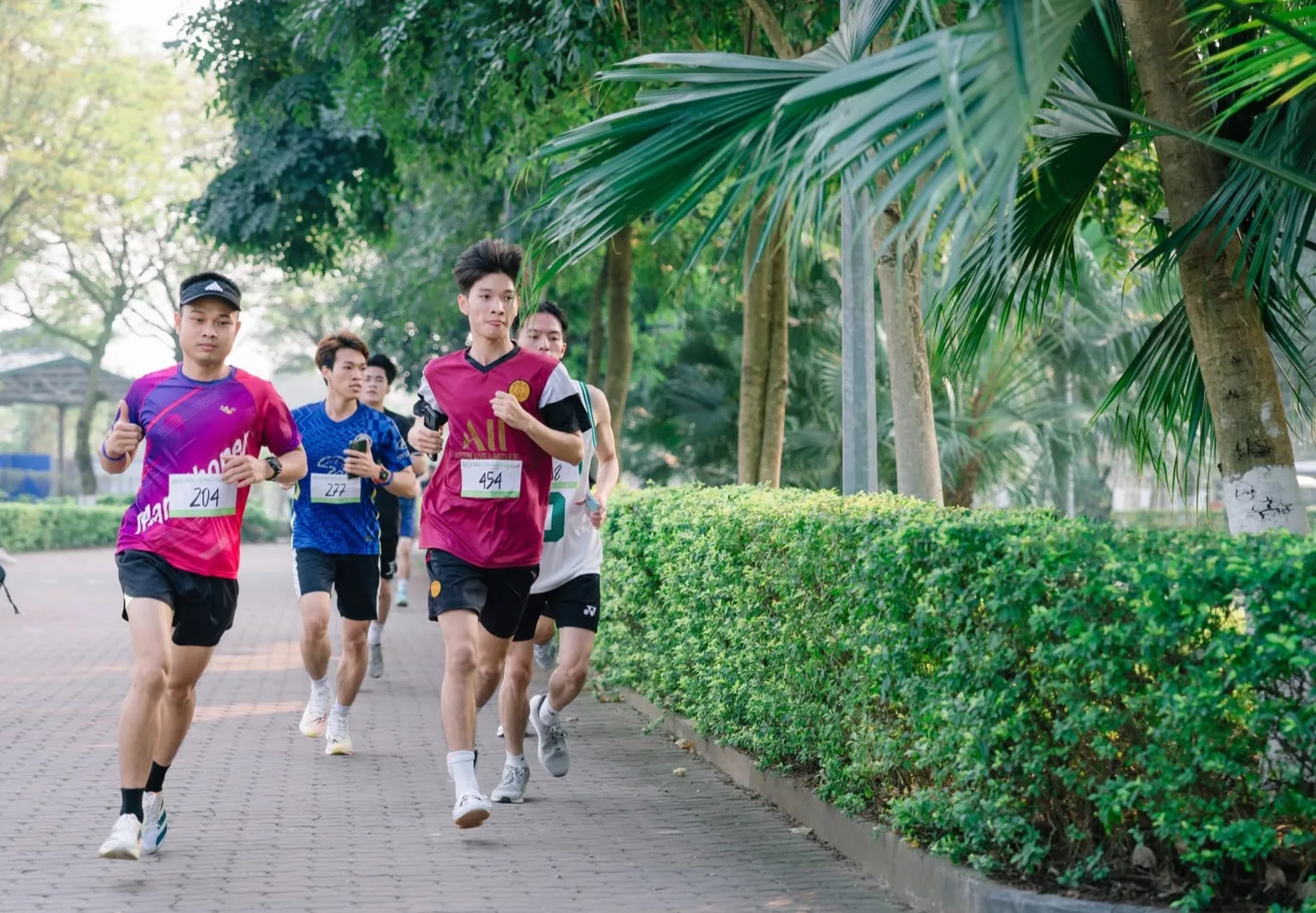
FPTU welcomes everyone to participate in the exercise activities at the institution.
In that same open, community-minded spirit, FPTU shares its sports facilities with the wider public. Its outdoor fields and training areas serve not only students but are also open to local schools, local residents, and the general public, who come to train and compete there alongside the university’s own community. This approach strengthens the connection between the university and the society around it, positioning FPT University as a local hub linking knowledge, health, and community spirit.

More than 300 athletes from 29 universities competed together at FPTU’s Vovinam hall.
That openness plays out in concrete terms. In January 2025 at Can Tho campus, the “Hội Thao Xuân” (Spring Sports Festival) already brought together more than 500 high-school students from 09 schools across Can Tho City, including Tran Dai Nghia High School, Tan Loc Secondary-High School, Thanh An High School, etc who competed in football, volleyball, and esports on FPT University’s own grounds. Two months later, at Ha Noi campus, the FPT University Open Taekwondo Tournament 2025, brought together more than 300 athletes from 29 universities and clubs across the city, using the university’s own sports halls as the competition venue.
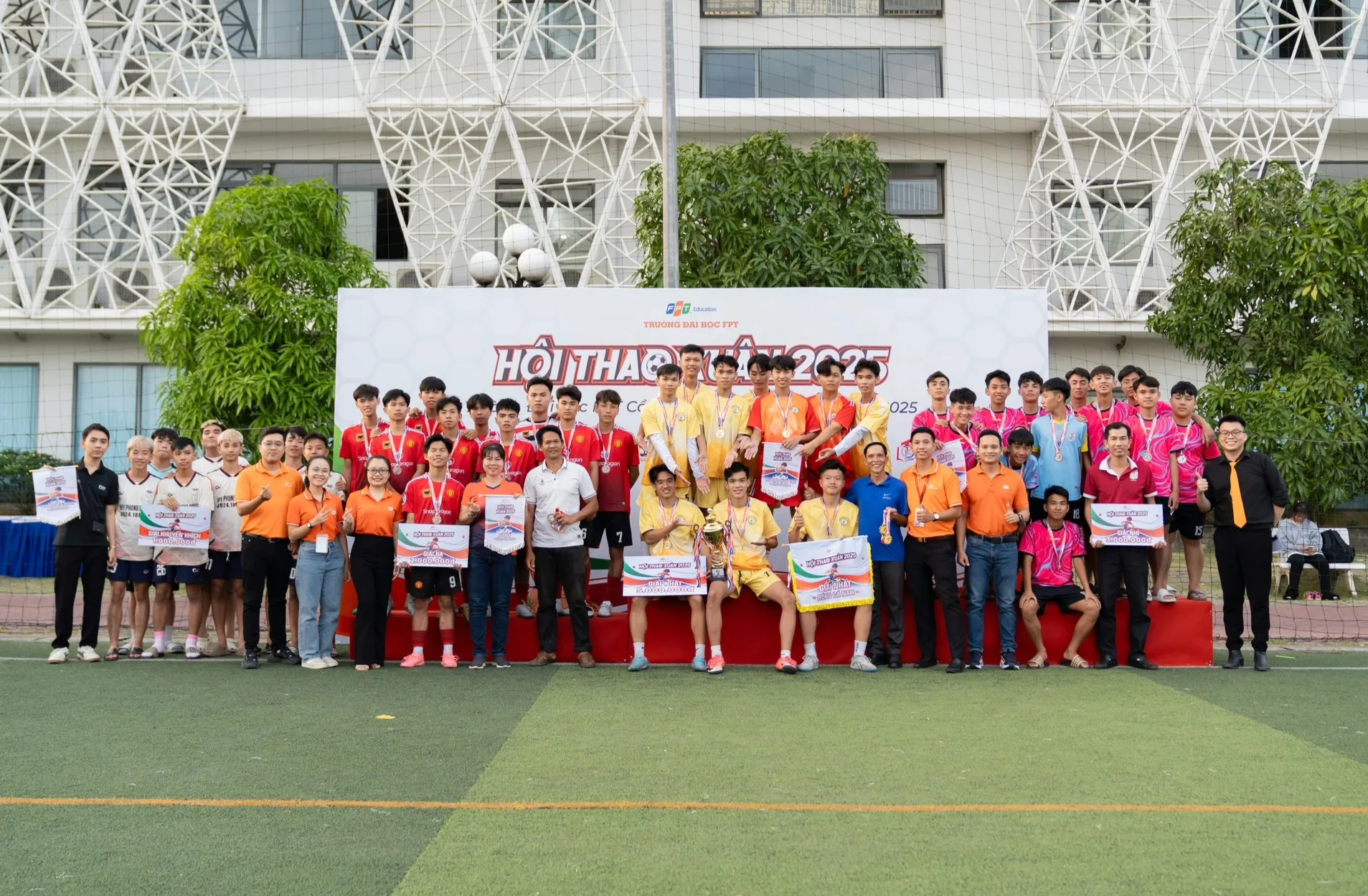
With technical standard, FPTU’s football pitch served as the competition venue for over 500 students.
Through its sports facilities, FPT University is creating social value that extends beyond training its own students. Opening its grounds to the local community encourages a more active, balanced, and sustainable lifestyle for everyone who uses them without charges. Sport at FPT University is, in this sense, no longer confined to the training ground: it has become a bridge that connects people, builds health, and spreads a shared spirit of healthy living – evidence that the university’s commitment reaches well beyond its own gates.


